
Back on the blog-horse.
It's been a long two weeks, and despite my blog neglection it has been pretty busy too. It's been particularly interesting on the contextual front, and a wealth of new and very clever stuff has implanted itself in my brain courtesy of people like Benedict Anderson and Arjun Appadurai. On top of this, some very clever and inspiring artists like Karen Guthrie and Nina Pope, Tom Hunter and James McKinnon, as well as Goldsmiths' very own Pete Rodgers have given me more than my fair portion's food for thought. But, if I go on like this the word count of this blog post will be longer than my dissertation.
So what follows is a very brief summary of how my project has changed and evolved over the last two weeks or so. I really hope it makes sense...
Last week I wrote a bit about Urban myth and legend, having been interested in Nessie and the Black Shuck of Norfolk/Suffolk. I came to wondering about how a character comes to exist on a level of communal consciousness, and how a locality's desire to make tangible some recognition of its existance- within their minds- results in a system of half-belief: we know it's not real yet we like to treat it as though it could be. In other words, we'd like to remember it that way. In Bungay, the local running club is named after a hell-hound.
"The long-term reproduction of a neighbourhood that is simultaneously practiced, valued and taken-for-granted depends on the seamless interaction of localised spaces and times with local subjects possessed of the knowledge to reproduce locality." (Appadurai, 1996)
From here, I've become extremely interested in collective memory, knowledge and remembering. I've already discovered a lot of evidence that suggests that familiarity within our environments (knowing the history, people, stories and physical spaces) precipitates contentedness and community. It is almost certainly this that makes the tight-knit rural communities of England seem so ideal. They visualise and mark their history, they tell stories and talk about local heroes and gossip. Adapting Marx: "local knowledge is not only in itself, but of itself."
So I've been investigating communal knowledge, memory (Benedict Anderson has some wonderful things to say on the subject of Imagined Communities) and nostalgia. Why and how we preserve and value the past, and ways in which we live our history alongside our present.

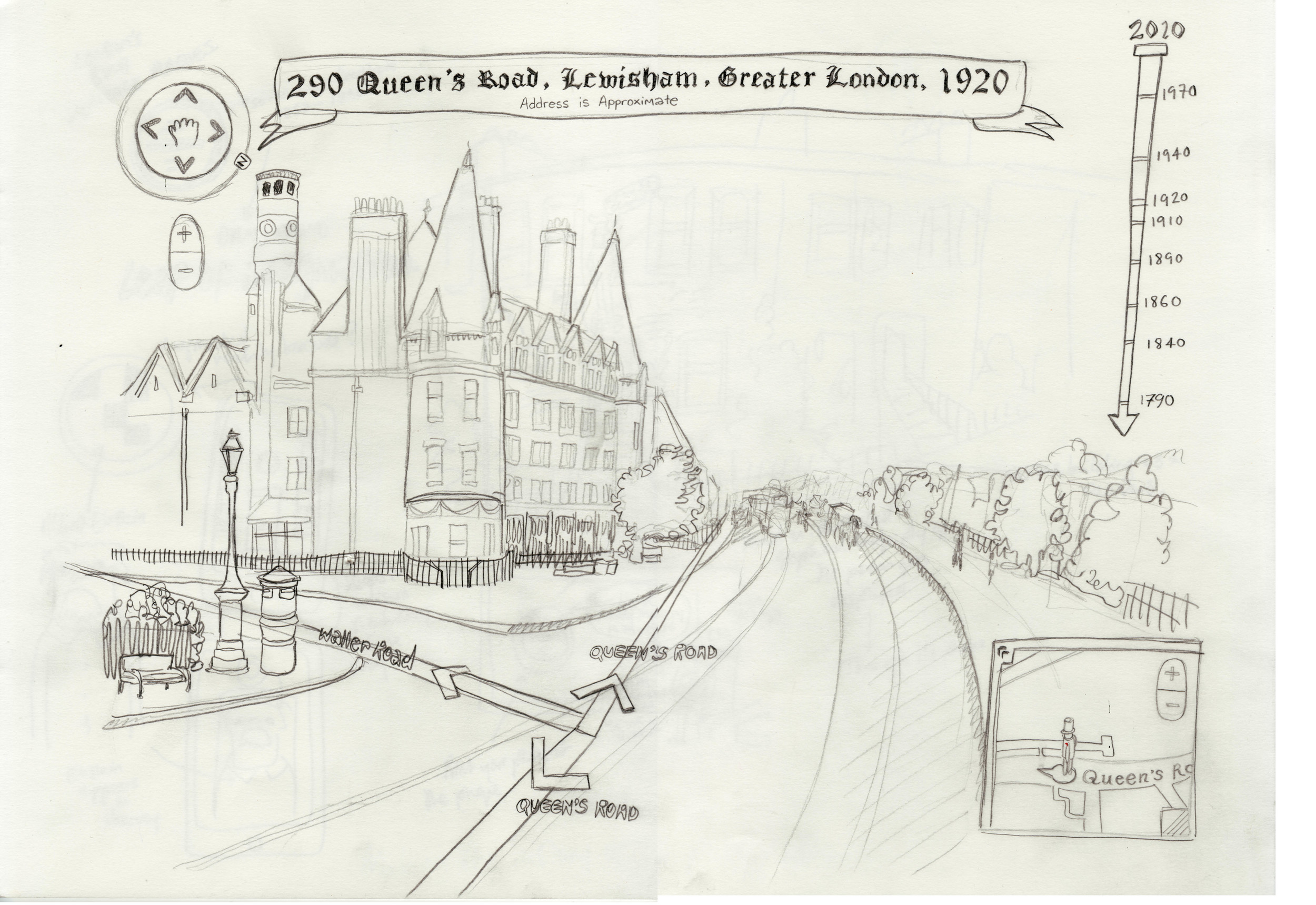
Aaghh, if I hadn't left this post so long I would detail my visits to Dennis Sevvers' house and Museum of London as well as my interview with a Medieval reenactor, but it will take forever...
Thinking about ways in which we memorialise things, I read a lovely quote by the lovely Stephen Fry: "We all pay lip service to the idea that yesterday makes today, but it is difficult to make the imaginative leap that truly connects us to our past... Blue Plaques, in their simple way, address this defect... for me, they are a unique imaginative portal into the past, for in my mind all Blue Plaques are contemporaneous, which is to say, the people commemorated by them are in their buildings now."
I love the blue plaque scheme too, but equally am always left faintly under-satisfied whenever I don't know who someone is, or their situation while they lived there. What if we could make their history more real, more visible?


After my visit to the Museum of London, seeing their London's Voices projects and also discovering the work of somewhere.org and Tom Hunter and James McKinnon's The Ghetto, I've become more interested in the idea of subjective histories or stories becoming part of a general community memory or consciousness. In Robbie (the medieval reenactor)'s words: The battle takes shape through a "multiplicity of subjective curators". And in the same way, a picture of a history (accurate or not) is painted on a woven tapestry of personal reminiscence. I LOVE this.

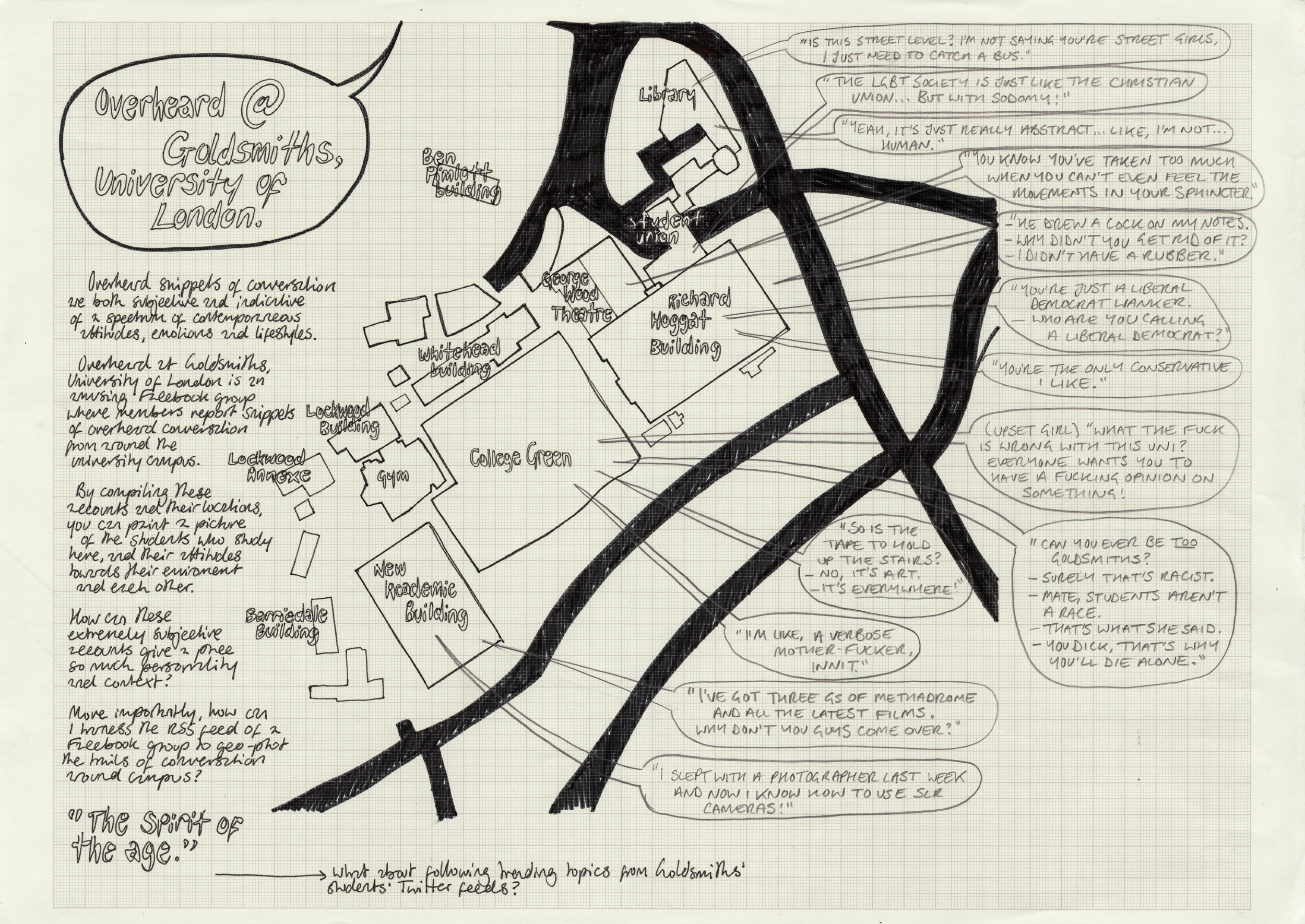
All of these thoughts and ideas are very much in their emryonic stages at this point, but I'm feeling pretty good about this.
My mantra has become 'Stories are inclusive'. Now I just need to find some stories!
